Interest is an all-pervading attitude and form of relatedness to the world, and one might define it in a very broad sense as the interest of the living person in all that is alive and grows. Even when this sphere of interest is genuine, there will be no difficulty in arousing his interest in other fields, simply because he is an interested person.* Erich Fromm
Resistance is not a peripheral opponent…It comes from us. You can board a spaceship to Pluto and settle, all by yourself, into a perfect artist’s cottage ten zillion miles from Earth. Resistance will still be with you. The enemy is inside you.* Steven Pressfield
When we find the thing we really want to do– Think values, energy, superpowers all coming together in some urgent way, Maybe we struggle to start because we don’t want to break it– But this may be exactly what it needs to become what it can be.
I ask you to assume that the person in front of you contains some piece of themselves that has no weight, size, colour, or shape yet gives them infinite value and dignity. If you consider that each person has a soul, you will be aware that each person has some transcendent spark in them. If you see the people you meet as precious souls, you’ll probably wind up treating them well.* David Brooks
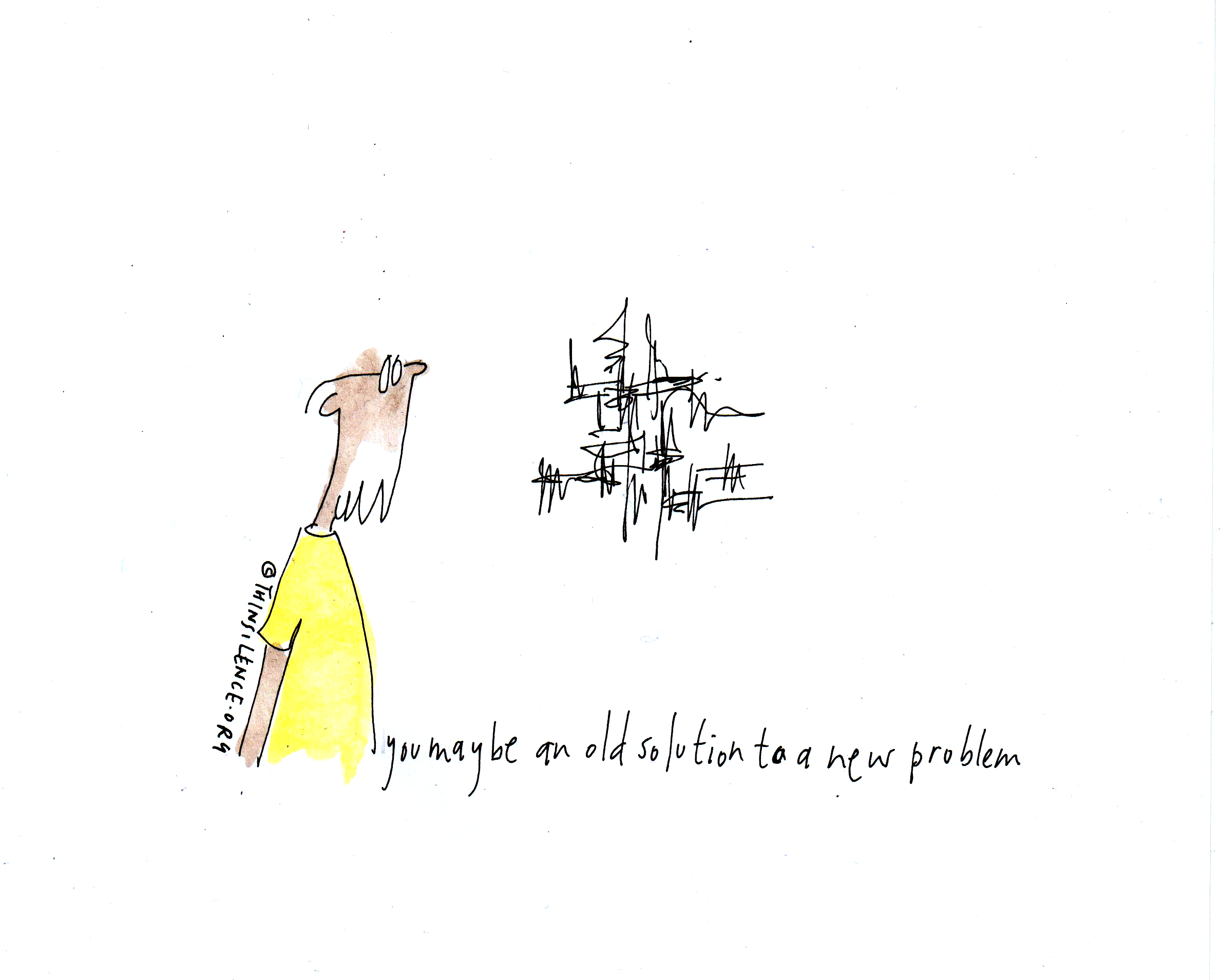
Old age offers the opportunity to integrate and bring together the multiplicity of directions that you have travelled. It is a time when you can be awakened and new possibilities come alive for you.* John O’Donohue
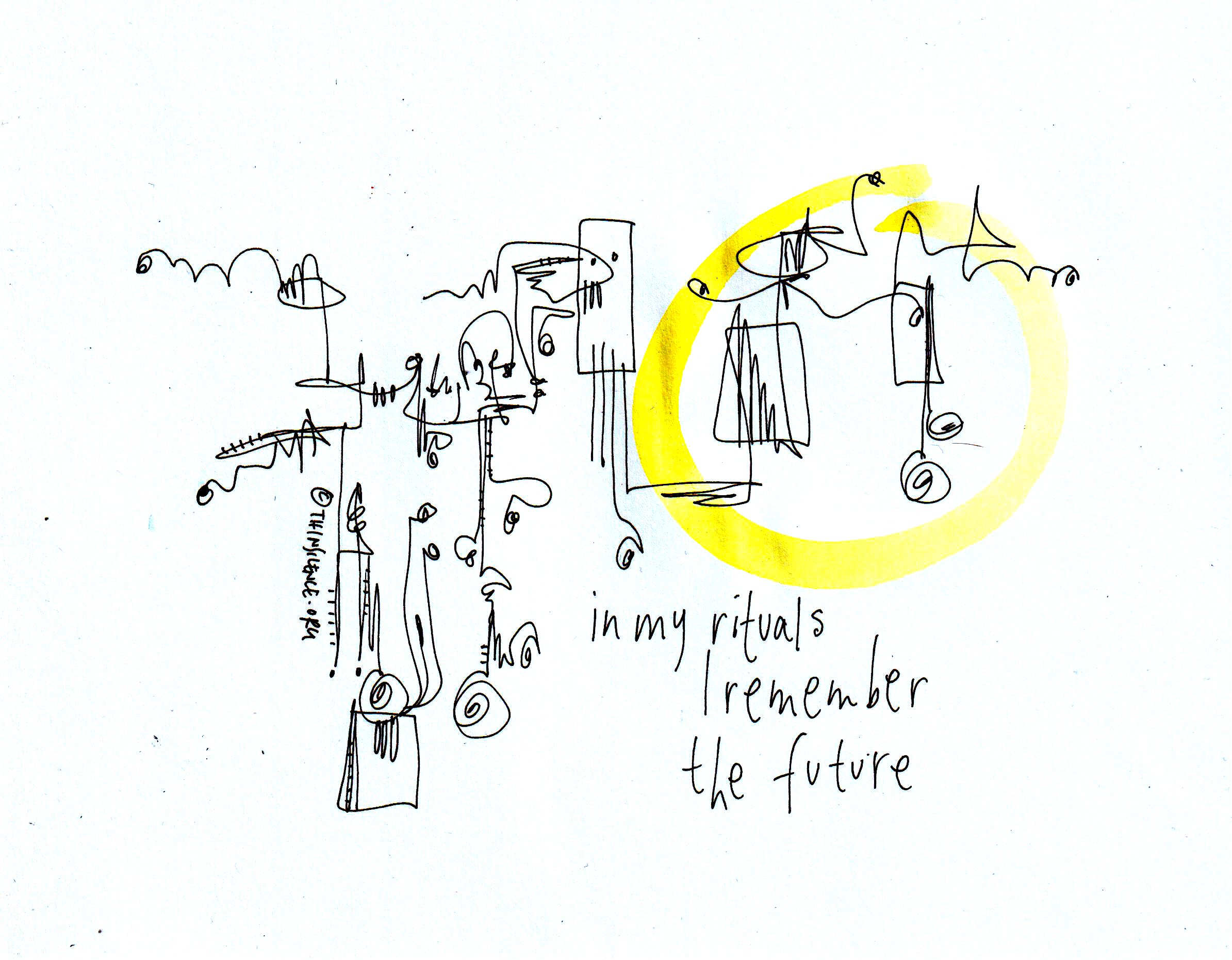
You need ritual not inspiration. Every day, no matter what, you must practise. Your practice ritual is your highest priority – an unbreakable commitment. Stubbornly protect this time against the demands of the world.* Derek Sivers
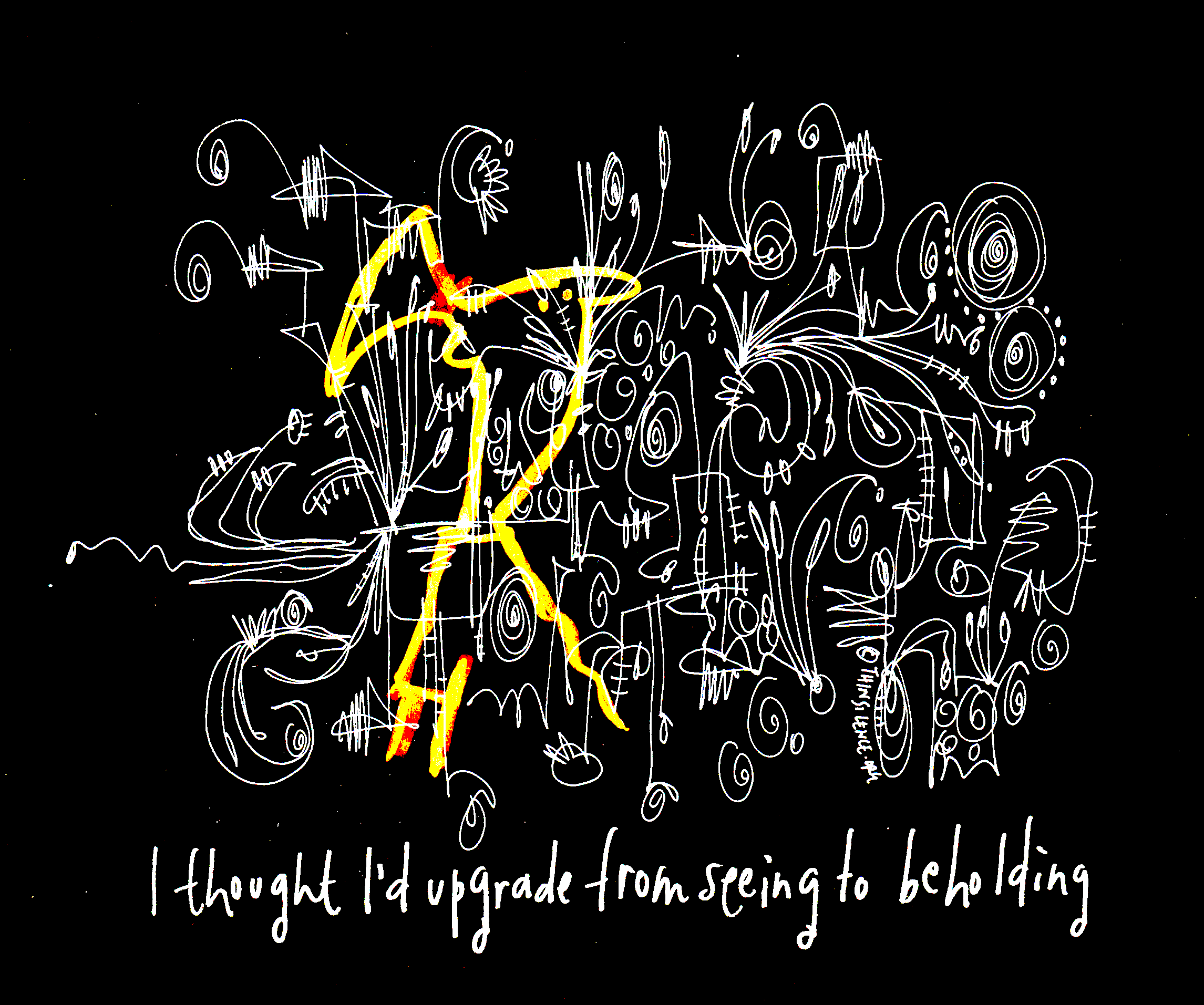
When you’re beholding someone, you’re seeing the richness of this particular human consciousness, the full symphony – how they perceive and create their life.* David Brooks
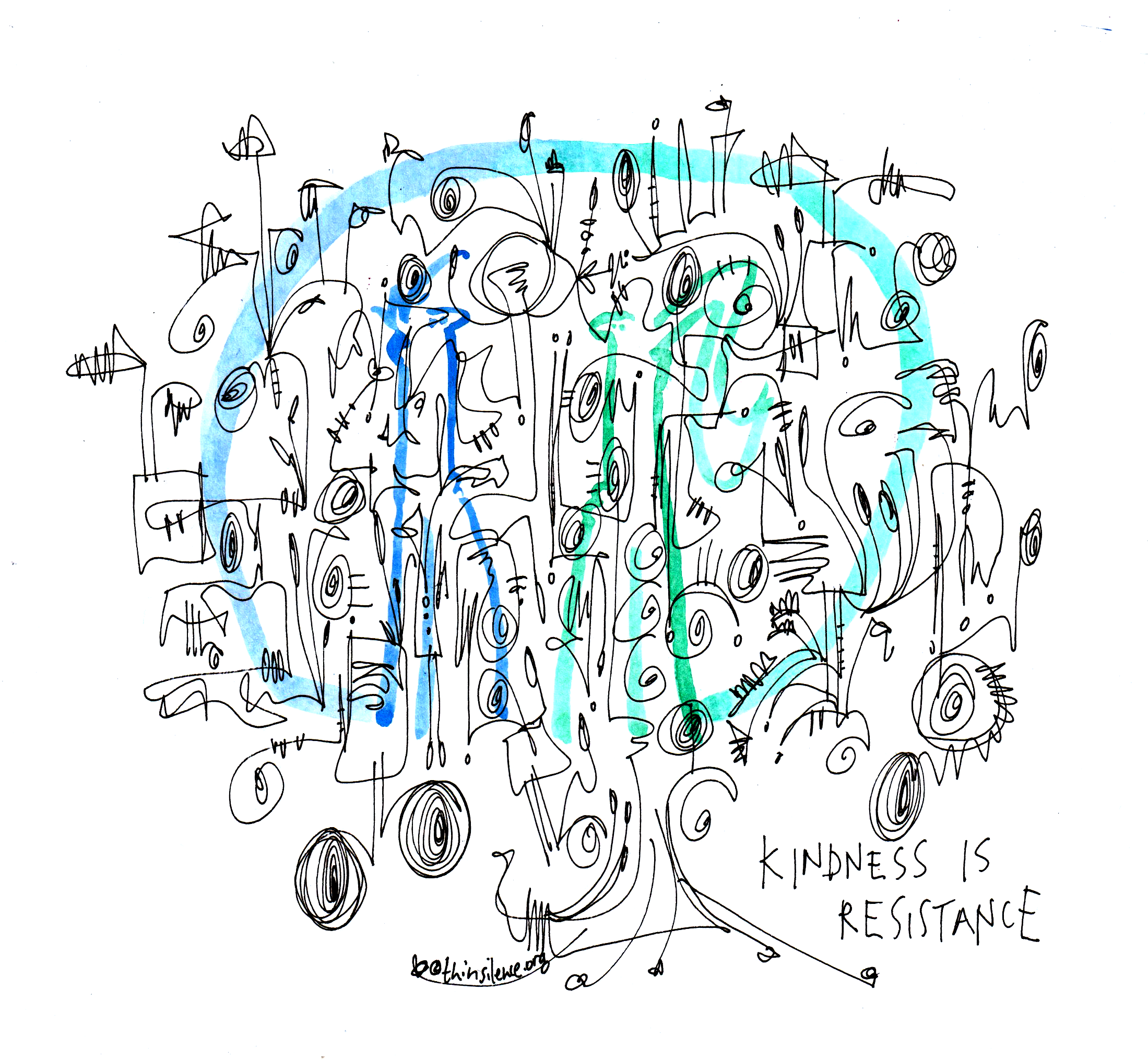
Nature bids us do well for all…Wherever there is a human, we have an opportunity for kindness.* Seneca
In a conversation, you will often find that how you speak shapes the response you will get. It is also true that the way we listen the way the other person will speak.** Esther Perel
Behold the person, Listen attentively, Speak kindly– Virtues we can all grow in.
Write about yourself as if you were writing about a stranger. Describe whom you see, both the tangibles and intangibles…Be kind and generous.* Debbie Millman
Success leads to the greatest failure, which is pride. Failure leads to the greatest success, which is humility and learning. In order to fulfil yourself, you have to forget yourself. In order to find yourself, you have to lose yourself.** David Brooks
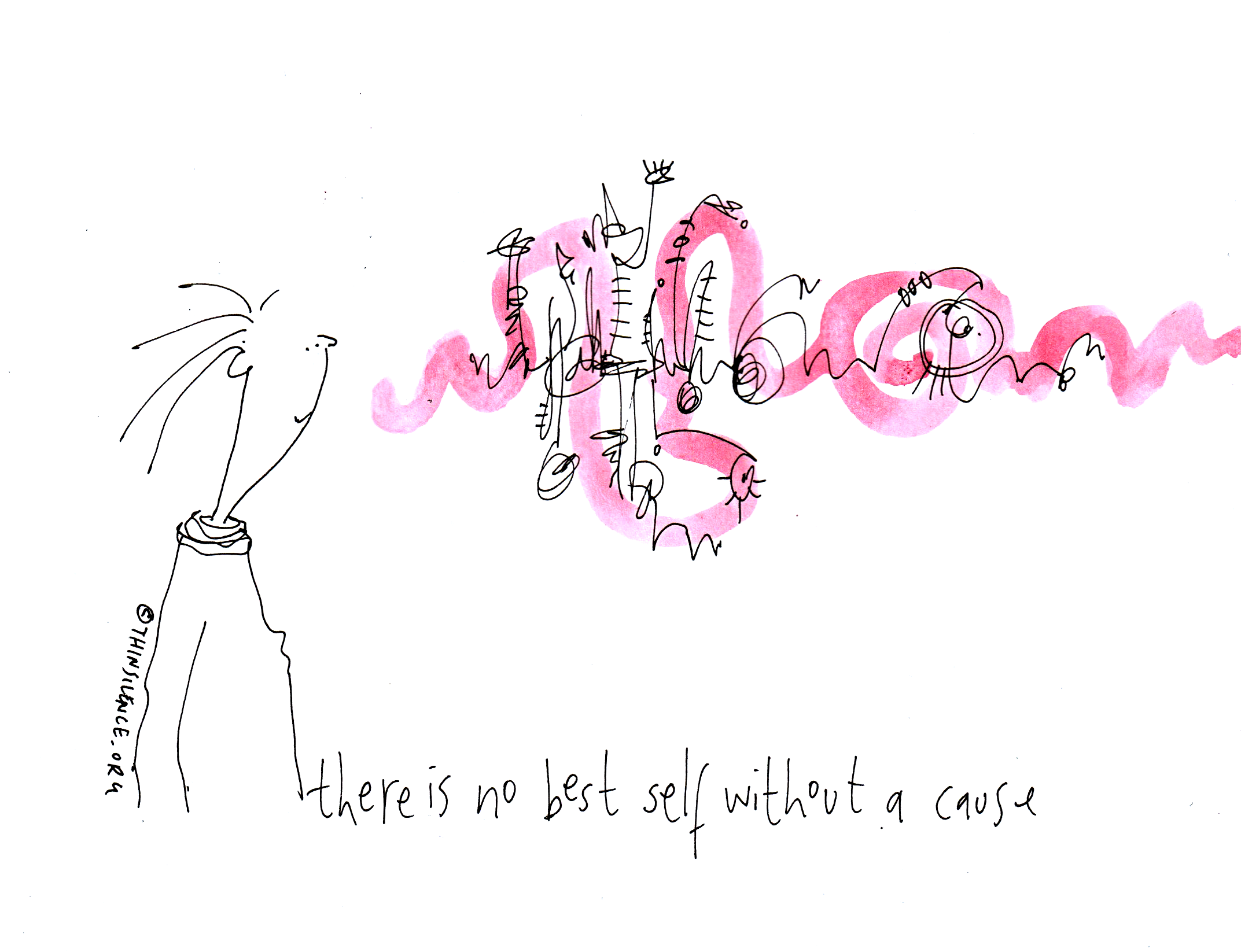
It is very possible to “write”^ about yourself and to forget yourself– I have found that people reflecting on their lives^^ invariably identify the difference they want to make for others – directly or indirectly – And how to do this with who they are and what they have– Losing themselves as they do.
*Quoted in Suleika Jaouad’s The Book Of Alchemy; **David Brooks’ The Road To Character; ^I have open conversations with those I accompany; ^I offer this work in a gifted way – drop me a line at geoffreybaines@gmail.com.



You must be logged in to post a comment.